If you've spent years doing SEO, the last two years have felt like the ground shifting: a growing share of your buyers now ask ChatGPT, Gemini or Perplexity instead of typing into a search box - and your rank tracker can't see any of it. The discipline that's emerged to deal with this goes by several names: LLM SEO, LLMO, GEO, AEO. The names haven't settled; the work has.
This is the plain-English guide for people who already know search: what LLM SEO actually is, how the models choose what to say, which of your existing skills transfer straight across, the handful of genuinely new moves, and the tactics you can safely ignore.
What LLM SEO is (and isn't)
LLM SEO is the work of getting your brand found, trusted and repeated by large language models. The unit of victory changes: SEO wins a position on a results page; LLM SEO wins a mention inside a generated answer. There is no page two of a ChatGPT answer - the model names two or three options and everyone else doesn't exist for that buyer. Same web, same content, harsher scoreboard.
On the naming soup: LLM SEO, LLMO, GEO (generative engine optimization) and AEO (answer engine optimization) are, for practical purposes, the same discipline wearing different badges. Vendors emphasize different corners; the mechanics underneath don't change. We'll say "LLM SEO" here and mean all of it.
SEO optimizes a page to rank. LLM SEO optimizes a fact about your brand to be retrieved, trusted and repeated.
How an LLM decides what to say about your category
You can't optimize a black box, so start with the two pathways every engine blends:
- Parametric memory. What the model absorbed in training. Brands that were widely, consistently written about before the cutoff get named from memory, with no search and usually no citation. Slow to earn, slow to lose, updated only when the lab ships a new model.
- Retrieval. For fresh, commercial or specific questions, the engine searches, reads a handful of pages, and synthesizes from them. This is the fast lane - days to weeks - and it's where most deliberate LLM SEO work lands first.
Each engine weighs the mix differently - Perplexity is nearly all retrieval, ChatGPT blends both per question, Gemini rides Google's index, Claude leans on memory, Grok listens to X - which is why the same question gets different brands named on different engines, and why measuring one engine tells you almost nothing about the rest.
What transfers from your SEO skillset
More than the doom posts suggest. Three pillars carry over almost intact:
- Technical crawlability. Server-rendered content, clean robots.txt, working sitemaps - except the user-agents now include GPTBot, ClaudeBot and PerplexityBot. If they can't fetch you, nothing downstream exists. (Check before you block.)
- Ranking still feeds retrieval. When engines search, they read what the underlying indexes surface. Your rankings are the candidate pool for the answer - necessary, no longer sufficient.
- E-E-A-T instincts. The consensus-and-credibility judgment you built for Google maps directly onto how models weigh sources. What changed is the output: instead of ranking your URL, the model repeats your claim.
The genuinely new moves
A model quoting your page lifts a sentence, not a scroll depth. One claim per section, stated completely in the first sentence or two, self-contained enough to survive being quoted alone. Your pricing page is the highest-stakes example - engines get asked about cost constantly and most pricing pages are unquotable. Test yours:
Optimize the claim, not just the page
The unit of work shifts from "this URL" to "this fact about us, everywhere the engine can see it." A model states what independent sources agree on - so the same positioning, category and pricing story needs to appear on your site, your review profiles, the comparison articles and the community threads. One page claiming it is marketing; five sources agreeing is a fact.
Win the citation supply chain
Every engine leans on a shortlist of third-party pages when it answers your category - roundups, review platforms, Reddit threads, Wikipedia. Those domains are your new SERP. Find which sources the engines cite for your niche and earn presence there deliberately, the way you used to chase backlinks - except now the link matters less than the sentence next to it.
Measure answers, not rankings
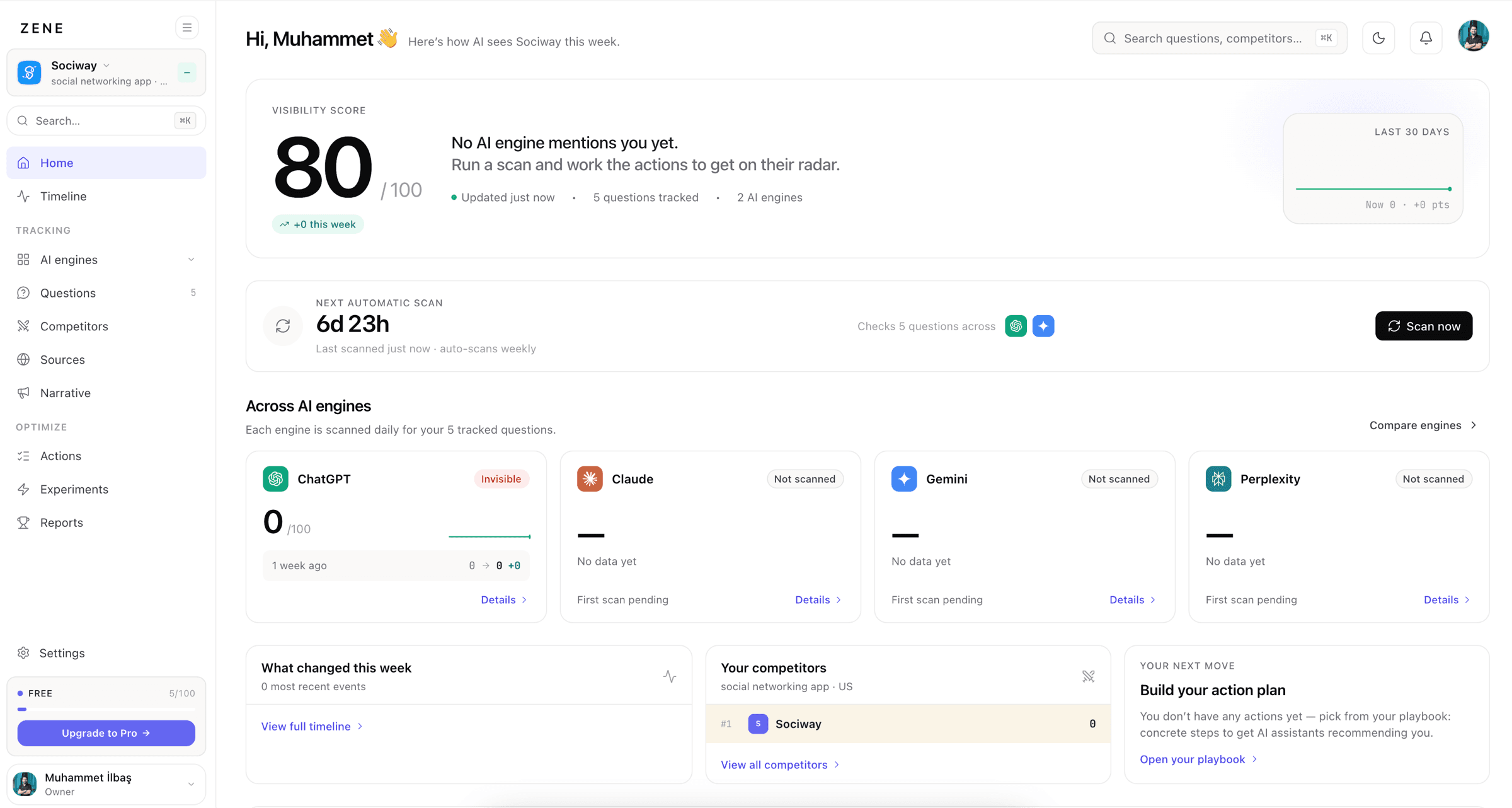
None of this shows up in Search Console. The LLM SEO scoreboard is: of the questions buyers ask, how often are you named, how prominently, in what tone, against whom, citing which sources - per engine, trended over time. That's a new instrument; these are the KPIs worth tracking, and an AI visibility tracker is the tool category that automates it.
What to ignore
- llms.txt as a strategy. Adding the file is five harmless minutes, but no major engine has confirmed honoring it - the evidence so far says don't build a roadmap on it.
- "Keyword density for AI." Models parse meaning, not term frequency. Stuffing reads as spam to them exactly as it does to humans.
- Prompt-injection tricks. Hidden instructions in your HTML asking models to praise you are detectable, patchable, and reputational poison. Nobody credible does this twice.
- Guaranteed-placement vendors. Organic answers can't be bought; treat the promise as a red flag for everything else the vendor says.
A working cadence
The practical loop, compressed: baseline where you stand across engines on real buyer questions; fix the technical gates; ship quotable pages for the questions you should own; earn corroboration on the sources the engines already cite; re-measure and let the trend, not a single answer, tell you what moved. That's a quarter of work for most teams - we laid out the week-by-week version in the 90-day GEO plan.
Try it on your brandSkip the guessing - see how the five engines answer your category's questions today.
Type your brand name or domain - we'll line up the questions buyers ask about it.
The takeaway
LLM SEO isn't a repudiation of your SEO career; it's the next compounding layer on top of it. The crawl-index-rank machinery you know still gates everything. What's new is the finish line - a model deciding, sentence by sentence, whether you're the brand worth naming - and the discipline of making that decision easy: be retrievable, be quotable, be corroborated, and measure the answers themselves. Start with the measurement; everything else follows from knowing where you actually stand.
Frequently asked questions
What is LLM SEO?
LLM SEO is the practice of optimizing your brand's presence so large language models - ChatGPT, Gemini, Claude, Perplexity, Grok - find it, trust it and repeat it in their answers. Traditional SEO wins a position in a list of links; LLM SEO wins a mention inside a generated answer. The two overlap heavily (LLMs read the pages that already rank) but the scoreboard is different: 'were you named, and how were you described,' not 'what position did you hold.'
Are LLM SEO, LLMO, GEO and AEO different things?
Functionally, no. LLM SEO, LLMO (large language model optimization), GEO (generative engine optimization) and AEO (answer engine optimization) are competing names for the same young discipline, emphasized slightly differently by whoever's selling the term. The mechanics underneath - be retrievable, be quotable, be corroborated, measure per engine - are identical. Pick one name internally and don't overthink it.
Can you rank in an LLM?
Not literally - there's no results page and no position one. What exists instead is a probability: how often the model names you when buyers ask about your category, how early in the answer, and in what tone. That's measurable (run the same real buyer questions on a schedule and count), and it moves in response to the same kind of deliberate work that used to move rankings. 'Rank' is a useful metaphor as long as you remember it's a share of answers, not a slot.
Does traditional SEO still matter for LLM visibility?
Yes - it's the substrate. Retrieval-augmented engines search an index and read what ranks; Gemini literally rides Google's. If your pages aren't indexed, crawlable and reasonably ranked, you fail LLM SEO before it starts. What changes is that ranking stops being sufficient: the page must also be quotable, and the fact must also be corroborated by sources beyond your own site.
 Muhammet İLBAŞ 9 min