Somewhere in the last year you've probably seen it: a string like turn0product7 or turn0search0 sitting in the middle of otherwise normal text - in a doc a colleague pasted, in a social post, maybe on a live website. Google the string and it gets stranger: storefronts, random product pages, no explanation. Here's the actual answer, short and then long: turn0product7 is not a product. It's an internal citation token from a ChatGPT answer - a placeholder ID the interface normally swaps for a rendered product card, caught escaping into plain text.
The anatomy of the token
We didn't have to guess at this - we've captured a ChatGPT shopping answer in the browser's network tab and read the raw stream these tokens live in. The pattern decodes cleanly:
| Fragment | Meaning |
|---|
turn0 | Which tool call produced the result set - the first search/browse call of the conversation turn is 0, the next is 1, and so on |
product | The result type: product for shopping cards; siblings like search and news mark web and news results |
7 | The item's index inside that result set, counting from zero - so this is the eighth retrieved product |
In the raw response, the model doesn't write prose about products and hope for the best. It emits markers - in our capture, fragments like entity["turn0product0", "turn0product3", "turn0product7"] for a card carousel, and cite markers for inline source badges - wrapped in non-printing Unicode characters. The official interface intercepts the wrapper and renders cards and badges in its place. The text was never meant to be seen; it's stage direction, not dialogue.
Why it leaks
Because the markers are real characters in the stream, they survive any path that doesn't explicitly strip them. Copy an answer into a plain-text editor, a CMS field, a spreadsheet or a social composer, and the invisible wrapper can shed its invisibility - leaving turn0search0 or turn0product7 sitting in your text. From there the tokens travel: pasted into published articles, product descriptions and forum posts by people who didn't read what they pasted. That's the answer to the mystery of the search results, too - queries like "turn0product7 review" surface storefront junk because the places the token appears in public are, overwhelmingly, pages built from unedited AI output. There's no product to review. The token points at whatever the eighth product happened to be in one specific answer, and outside that answer it points at nothing.
If the token is on your site: someone pasted raw ChatGPT text. Search your content for the string turn0 (and turn1, turn2 - the index rises with each tool call), delete the fragments, and add the check to your editing checklist. A leaked citation token is the most legible possible signal - to readers and to search engines - that a page shipped without a human read-through.
What the token accidentally proves
Here's why this curiosity earns a place on a marketing blog: the token is a fossil of the pipeline, and the pipeline is the story. turn0product7 exists because ChatGPT's shopping answers are retrieved, structured and ranked before a word of prose is written. The model calls a tool, gets back a numbered set of product objects from merchant feeds and aggregators, and then decides which IDs to surface where in its sentences. Recommendations aren't the model fondly remembering brands - they're a live result set, with the prose written around it. We walk the whole machine in the shopping-answer teardown and what it means for getting onto the shelf.
Three consequences follow for any brand that sells things:
- The lever is data, not vibes. If the shelf is retrieved from product feeds and the pages engines read, then your product data, attributes and structured markup are what make you retrievable - the model's memory is not the battleground.
- The sources are knowable. The parallel
turn0search tokens mark the web sources an answer cited. Those domains - the review sites and round-ups engines lean on - are a measurable supply chain, and we've studied which ones the engines actually cite. - Presence is a trackable fact. Whether your products and brand appear in these answers isn't a mystery; it's a question you can ask on a schedule and trend over time - which is precisely the job of an AI visibility tracker.
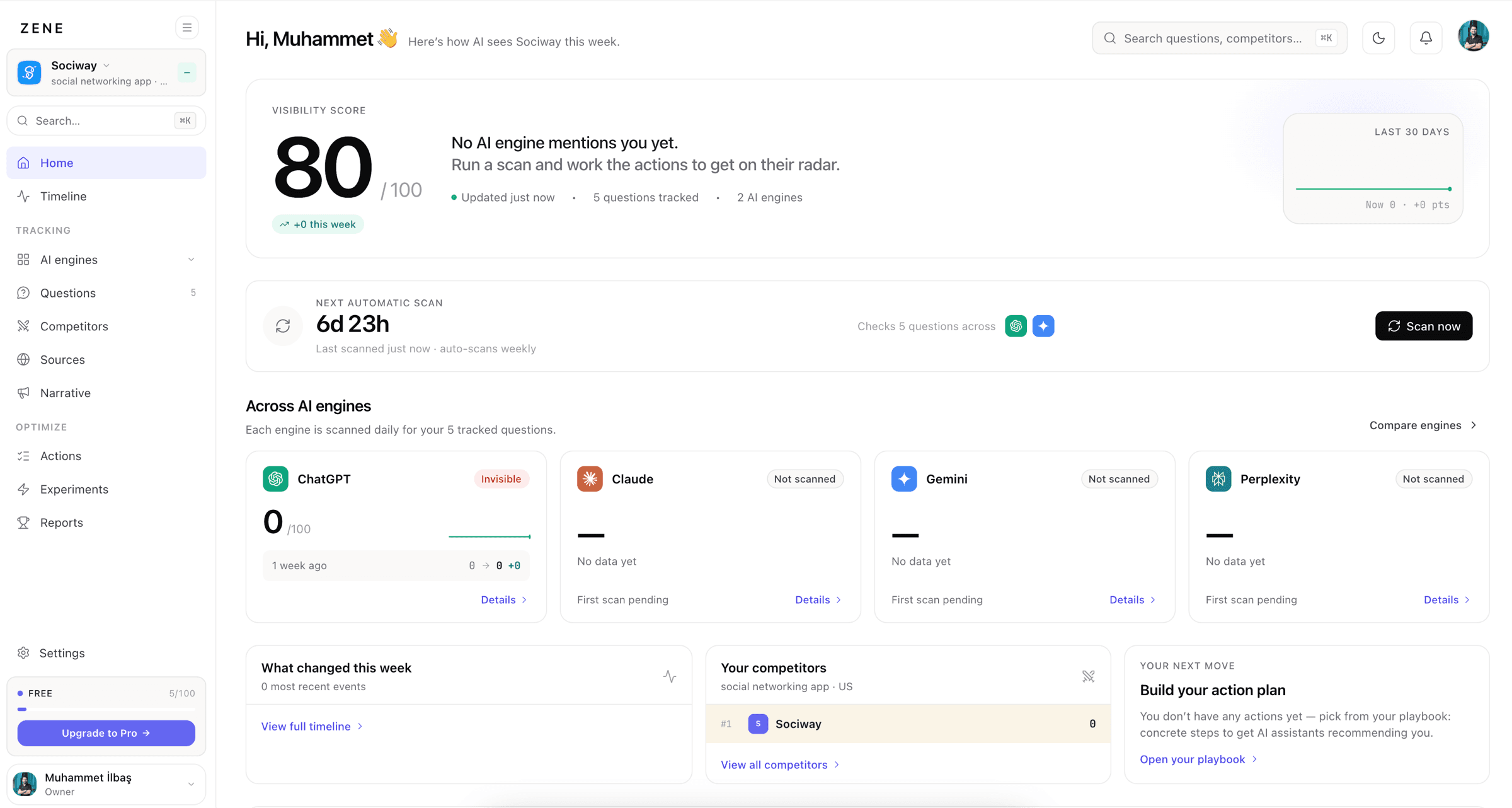
Try it on your brandSee whether ChatGPT - and the other four engines - put your brand in the answer when buyers ask.
Type your brand name or domain - we'll line up the questions buyers ask about it.
The takeaway
turn0product7 is a rendering placeholder that escaped: tool call zero, result type product, item eight. It's harmless in a chat window, embarrassing in published copy, and quietly instructive everywhere - proof that AI answers are assembled from retrieved, structured, rankable data. Clean it out of your text; then take its real lesson seriously and start measuring what those retrieval pipelines say about you.
Frequently asked questions
What does turn0product7 mean?
It's an internal reference ID from a ChatGPT answer, not a product. When ChatGPT builds a shopping answer, it retrieves product data as structured objects and gives each one an ID - turn0product0, turn0product3, turn0product7 and so on. "turn0" points at the tool call that fetched the results, "product" is the result type, and the number is the item's index in that result set. The model then drops invisible markers containing these IDs into its prose, and your browser swaps them for rendered product cards. If you can see the token as text, you're looking at the machinery - the marker escaped without being rendered.
Is turn0product7 a product you can buy?
No. Searches like "turn0product7 review" or "turn0product7 manual" lead nowhere because there is no such product - the string is a placeholder ID from ChatGPT's answer-rendering pipeline. It refers to whatever the eighth product (index 7, counting from zero) happened to be in one specific answer's retrieved set. In a different conversation the same token points at a completely different product, which is exactly why the raw token is meaningless outside the answer it leaked from.
Why do tokens like turn0search0 appear in copied ChatGPT text?
Because the markers are real characters in the response stream. ChatGPT wraps citation references in non-printing Unicode delimiters; the official interface intercepts them and renders citation badges or product cards instead. Copy the text into an environment that doesn't strip them - a plain editor, a CMS, a social post - and the wrapper can survive as visible strings like turn0search0 or turn0news1. That's also how they end up published on real websites: someone pasted raw AI output without reading it.
How do I remove turn0 tokens from copied ChatGPT text?
Search your text for the string "turn0" (and "turn1", "turn2" - the number rises with each tool call in the conversation) and delete the matched fragments, which sometimes include surrounding words like "cite" or "entity". If you publish content, it's worth adding that search to your editing checklist: a leaked citation token in a published page is an unambiguous signal that AI text was pasted unedited, and both readers and search engines can see it.
What do these tokens reveal about how ChatGPT recommends products?
Something genuinely useful: product recommendations are retrieved, structured and ranked before the prose is written. The tokens prove the carousel isn't the model "remembering" favorite brands - it's a live result set fetched from merchant feeds and aggregators, with the model deciding which retrieved items to surface and where. For brands, that means the lever is your product data and the sources the retrieval reads, not the model's memory - and that whether your products appear on that shelf is a measurable, trackable fact.
 Muhammet İLBAŞ 9 min